Katie Lawson and Kirsty Robertson
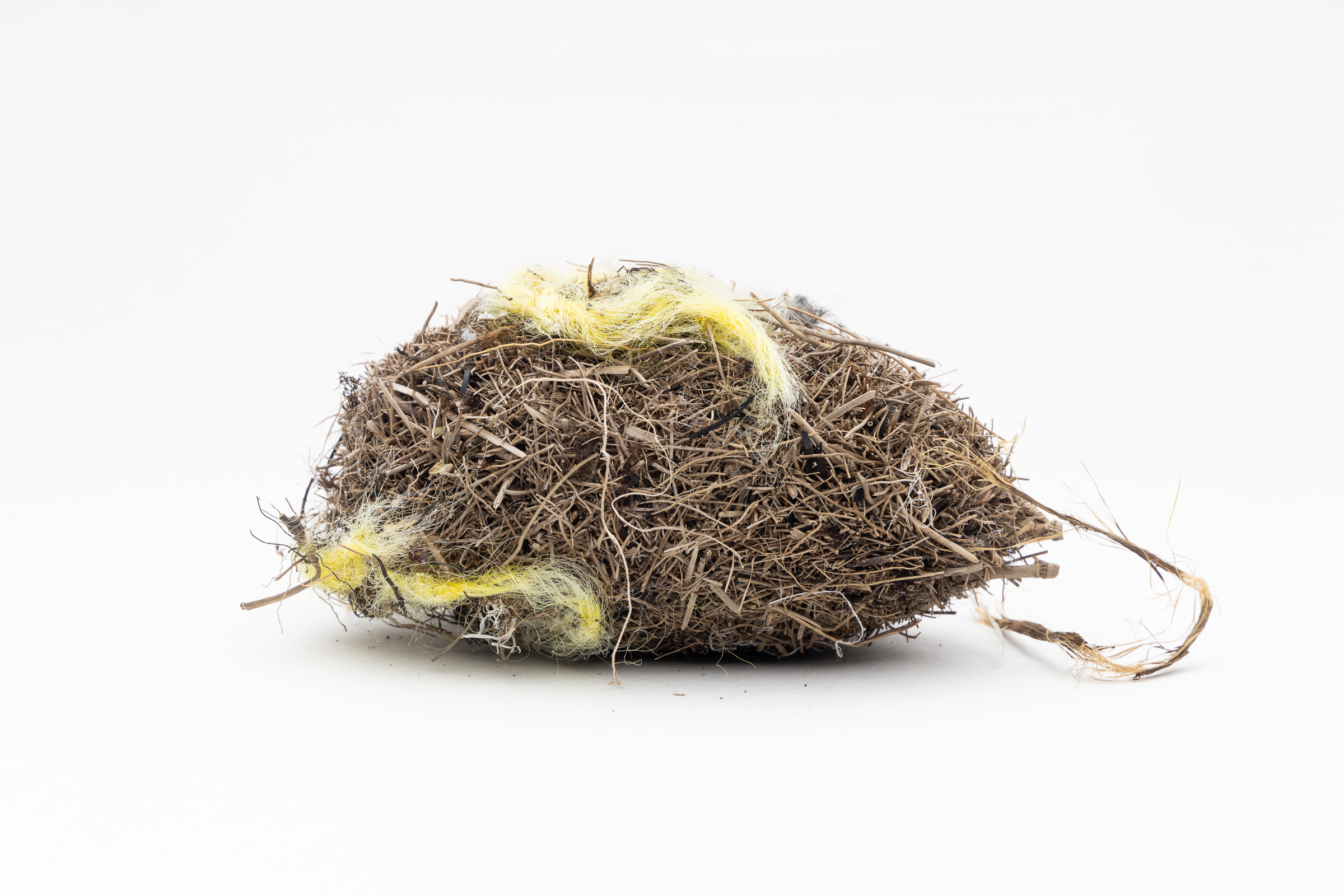
Known by many names, including “dentritic organoplastoids”, whale burps, sea balls, and aegagropila, Neptune balls are material clusters found on lake and ocean shores around the world, created through the action of wind and waves, incorporating dead grasses and other vegetative matter into dense, potato-like spheres. Increasingly, the clusters also include post-consumer waste such as rogue synthetic threads from boating rope and fishing line, balloon strings, bits of Styrofoam, and shards of miscellaneous beach refuse. Dancing across the littoral zone, the Neptune balls trap plastics that would otherwise go in the water, where the combination of waves and photodegradation would break them up into smaller and more elusive fragments and threads.
Learn more about this article here.
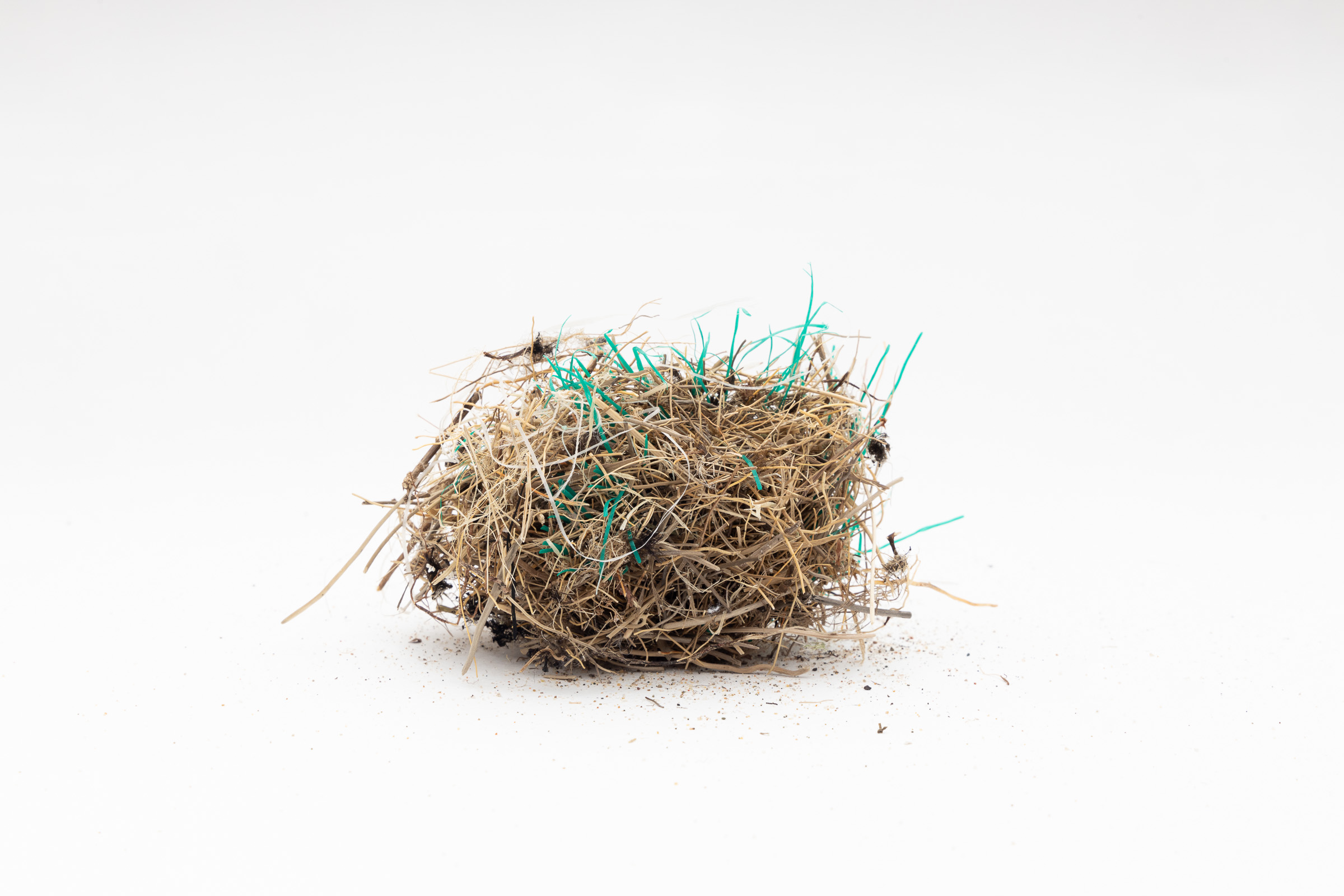

Clusters of grasses, natural detritus, plastic waste, and sand, Lake Huron, Ontario, 2022.
Photos: Bruno Sinder

 Kirsty Robertson
You must be logged in to post a comment.